Almost every garage, basement and shed holds a few things that cannot simply go in a trailer with the rest of the load. Knowing what they are before cleanout day keeps everyone safe and avoids surprises.
Materials that can need special handling
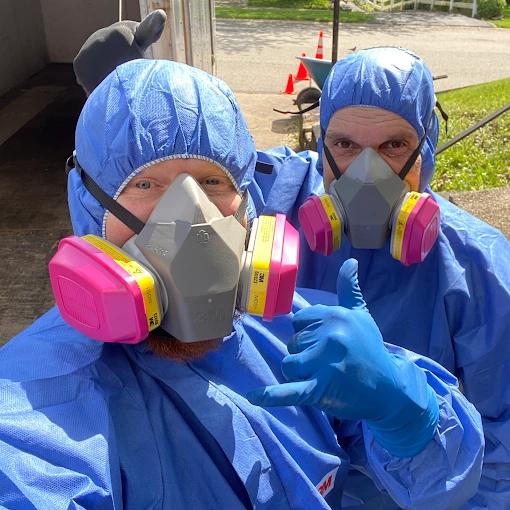
Hazardous, regulated, biohazardous or otherwise restricted materials need special handling. Common examples found during cleanouts include:
- Paint, stains, solvents and thinners.
- Pool chemicals, pesticides, fertilizers and cleaning chemicals.
- Motor oil, antifreeze, gasoline and other fuels.
- Propane tanks and other pressurized cylinders.
- Batteries, including car batteries.
- Fluorescent bulbs and tubes.
- Medical sharps and anything that may be biohazardous.
How to store them until then
- Keep containers in their original packaging with labels visible.
- Do not mix chemicals or pour leftovers together.
- Keep lids closed and containers upright, away from heat and out of reach of children and pets.
- Group them in one spot so they are easy to point out.
- Take a photo of the group and include it with your estimate request.
What happens to everything else
For the rest of the load, we take materials to appropriate transfer stations and disposal facilities, and separate and recycle scrap metal whenever practical. Our items we remove page lists the everyday items and materials we handle.
Planning a garage or basement cleanout? See our garage cleanout service, or request a free estimate and include photos of anything you are unsure about.